


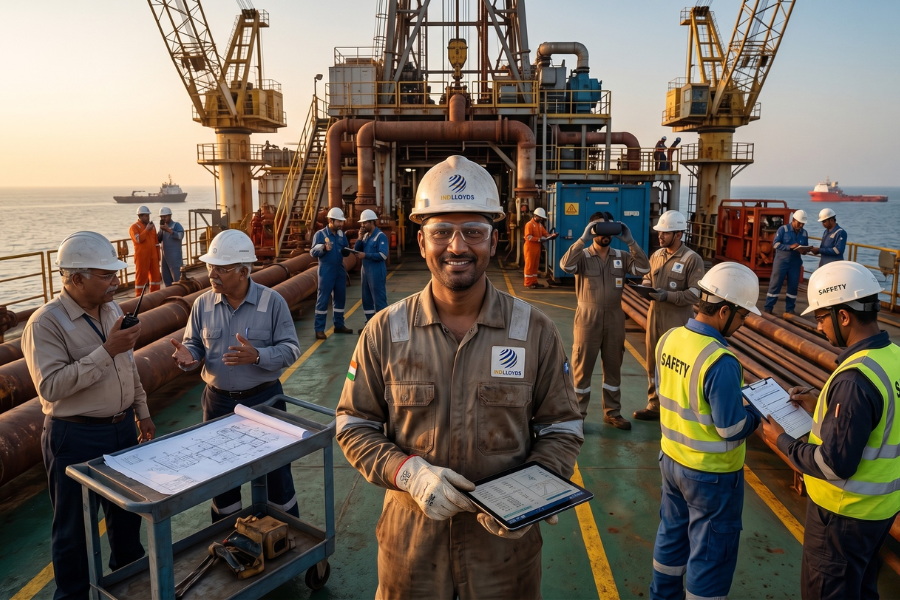
The drilling industry faces constant pressure to improve efficiency while maintaining safety and reducing costs. One key factor often overlooked is human performance. The skills, focus, and decision-making of personnel on drilling sites directly impact operational success. Improving human performance can lead to fewer errors, faster problem-solving, and safer work environments. This post explores practical ways to enhance human performance in drilling operations, supported by real-world examples.
Understanding Human Performance Challenges in Drilling
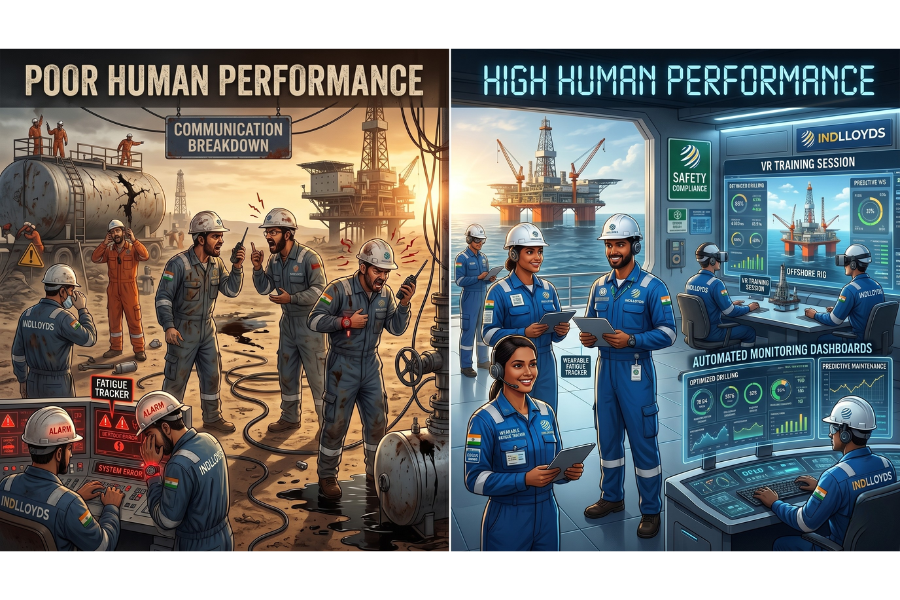
Drilling operations involve complex machinery, high-pressure environments, and often unpredictable conditions. Workers face physical and mental demands that can affect their performance:
- Fatigue from long shifts and repetitive tasks reduces alertness.
- Stress caused by safety risks and tight deadlines impacts decision-making.
- Communication gaps between teams can lead to misunderstandings and errors.
- Skill mismatches when workers lack proper training for specific tasks.
These challenges increase the chance of accidents, equipment damage, and downtime. Addressing them requires a focus on both individual capabilities and team dynamics.
Training and Skill Development
Investing in targeted training programs is one of the most effective ways to boost human performance. Training should go beyond basic safety and technical skills to include:
- Scenario-based drills that simulate emergency situations.
- Soft skills development such as communication, teamwork, and stress management.
- Use of simulators to practice operating complex equipment without risk.
For example, a drilling company in Texas introduced virtual reality (VR) training for new rig operators. This allowed trainees to experience realistic drilling scenarios and practice responses to equipment failures. The result was a 30% reduction in on-site errors within six months.

Enhancing Communication and Teamwork
Clear communication is essential for smooth drilling operations. Misunderstandings can cause costly delays or dangerous mistakes. Companies can improve communication by:
- Establishing standardized handover protocols between shifts.
- Using visual aids like checklists and status boards to track progress.
- Encouraging open feedback where workers can report concerns without fear.
Regular team meetings to review performance and safety issues help build trust and shared responsibility. One offshore rig in the North Sea implemented daily briefings that included all crew members. This practice improved coordination and reduced incidents by 25% over a year.
Managing Fatigue and Stress
Fatigue management is critical in drilling, where long hours and shift work are common. Strategies to reduce fatigue include:
- Designing work schedules that allow adequate rest between shifts.
- Providing comfortable rest areas on-site.
- Promoting healthy lifestyle habits such as proper nutrition and hydration.
Stress reduction programs, including access to counseling and relaxation techniques, also support mental well-being. A drilling company in Alberta introduced mandatory rest breaks and wellness workshops. Workers reported feeling more alert and less stressed, contributing to higher productivity.
Leveraging Technology to Support Human Performance
Technology can assist workers by reducing manual workload and providing real-time data for better decisions. Examples include:
- Automated monitoring systems that alert operators to equipment issues early.
- Wearable devices that track fatigue levels and vital signs.
- Digital checklists accessible on tablets to ensure task completion.
These tools help workers focus on critical tasks and reduce errors. For instance, a Middle East drilling operation used wearable sensors to monitor worker fatigue. Alerts prompted supervisors to rotate staff before performance declined, lowering accident rates.
!High angle view of drilling site with automated monitoring equipment installed
Building a Safety Culture
A strong safety culture encourages workers to prioritize safe practices and support each other. This culture develops through:
- Leadership commitment to safety at all levels.
- Recognition programs for safe behavior.
- Continuous training and open communication about risks.
When workers feel valued and responsible for safety, they perform better and help prevent incidents. A drilling company in Norway saw a 40% drop in lost-time injuries after launching a safety culture initiative that involved all employees in safety planning.